
Why Branding for Architects Is a Growth Issue
Many architecture firms do excellent work yet struggle to stand out in a crowded market. They win awards, deliver thoughtful projects, and solve complex problems, but when it comes to attracting new clients, the phone does not ring as often as it should.
The issue is rarely design quality. More often, it is clarity.
Branding for architects determines how a firm is perceived before a conversation ever begins. It shapes who reaches out, what they expect, and how they evaluate value. In markets where many firms sound similar, branding becomes a growth lever, not a cosmetic exercise.
At Uncommon Architects, we see branding as a system that influences recognition, trust, lead quality, and fees. When done well, branding does not make a firm louder. It makes the firm clearer.
What Branding for Architects Actually Means
Branding is often misunderstood in architecture. Many firms associate it with logos, colors, or a refreshed website. Those elements matter, but they are not the brand itself.
Branding is how your firm is understood when you are not in the room. It is the shortcut clients use to decide whether you feel relevant, capable, and worth engaging.
Branding as perception
Perception forms quickly. Clients interpret confidence, focus, and competence long before they read a project description. The structure of your messaging, the tone of your language, and the consistency of your presentation all signal what kind of firm you are.
Branding as clarity
Clarity is what separates firms that attract strong inquiries from those that field mismatched leads. When branding is clear, clients understand who you work with, what you specialize in, and why your approach matters.
This is where Branding and Positioning become foundational. Without a clear position, visual identity and messaging struggle to do their job.

How Branding Shapes Lead Quality
One of the most immediate impacts of branding is the quality of inquiries a firm receives. Weak or generic branding tends to attract anyone. Strong branding acts as a filter.
We often see firms frustrated by inquiries that are poorly aligned. Budgets are unrealistic. Project scopes are unclear. Conversations drag without momentum. In most cases, the issue is not marketing volume but branding clarity.
Strong branding leads to:
- Fewer but more qualified inquiries
- Clients who understand value before discussing fees
- Shorter sales cycles and better alignment
We worked with a mid sized studio whose website positioned them as broadly capable across many project types. After refining their positioning and messaging, inquiry volume dropped slightly, but qualified leads increased significantly. The firm closed more projects with less effort.
Better branding improves lead quality before any sales conversation begins.
Branding and Fees: Why Perception Changes Price Sensitivity
Fees are rarely evaluated in isolation. Clients interpret price through the lens of trust, expertise, and perceived fit. Branding plays a direct role in shaping that perception.
When branding is unclear, clients compare firms on price. When branding is strong, clients compare on value.
Clear positioning reduces price sensitivity because it reframes the conversation. Instead of asking how much something costs, clients ask whether you are the right firm for the work. That shift allows firms to hold fees with more confidence and fewer concessions.
We consistently see that firms with clear brands justify higher fees more easily because their value is understood earlier in the process.
Case Study: From Clarity to Higher-Value Clients
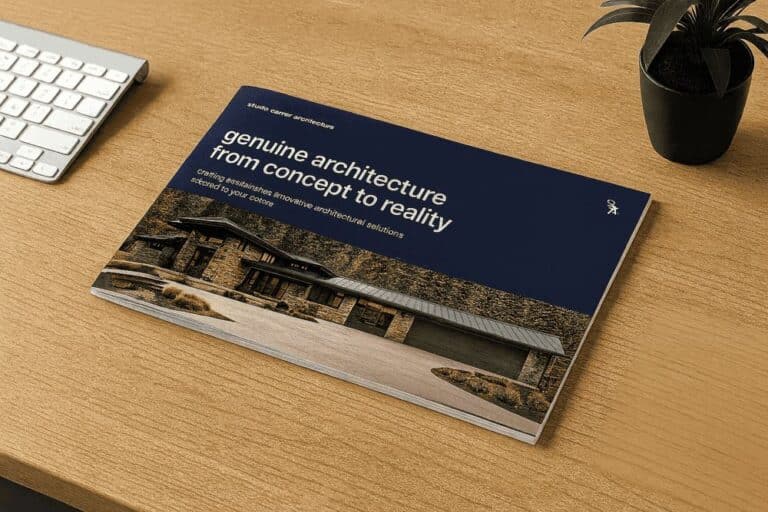
A clear example of how branding impacts growth comes from our work with Studio Carney, led by architect Michael Carney.
When we started working together, the studio produced strong work but lacked clarity around its ideal client, value proposition, and how to communicate that value consistently. The website attracted interest, but conversations often required extra explanation, and fees were harder to defend.
Our work focused on:
- Defining the firm’s ideal client profile and project types
- Refining the value proposition around what the studio does best
- Aligning messaging, positioning, and visual identity into one coherent system
The result was not just a better website. The clarity carried into sales conversations. Michael could articulate his process, benefits, and differentiation with confidence, and clients arrived with a clearer understanding of value before discussing fees.
Within a year, the studio increased its fees by over 30%, while attracting better-aligned inquiries and spending less time qualifying prospects.
This is what effective branding does. It works before the first call, during the conversation, and throughout the decision process.
Positioning Comes Before Design
Many firms start branding projects with visual exploration. New logos, refreshed color palettes, updated photography. Without strategy, those changes rarely solve the real problem.
Branding work should always begin with positioning.
Defining who the firm is for
This includes clarity around project type, scale, and client mindset. A firm that works best with institutional clients should not speak the same way as one focused on custom residential work.
Defining what makes the firm distinct
Distinctiveness is not about bold claims. It is about focus. The clearer the focus, the easier it is for the right clients to recognize themselves in your work.
This strategic foundation informs both Branding and Positioning and Website Design. When positioning is clear, design decisions become easier and more effective.
Messaging That Attracts the Right Clients
Architects often describe their work using internal language. Design philosophies, methodologies, and abstract values feel meaningful inside the studio but can confuse potential clients.
Effective branding translates expertise into outcomes that clients understand.
Strong messaging:
- Speaks to client priorities rather than firm credentials
- Explains how design decisions impact cost, function, and experience
- Guides prospects toward action without pressure
The shift from internal language to client focused communication is subtle but powerful. Messaging that reflects how clients think improves conversion quality and confidence.
Visual Identity as a Trust Signal
Visual identity in architecture branding is not about decoration. It is about consistency, structure, and restraint.
Typography, photography, layout, and project presentation work together to signal professionalism. When these elements feel intentional and aligned, trust increases.
Trendy visuals age quickly. Consistent systems endure.
Clients may not articulate why a firm feels credible, but they sense it immediately when visual identity supports clarity rather than distraction.
Branding Across the Website Experience
Your website is where branding either reinforces clarity or undermines it. Every page contributes to the story clients build about your firm.
Brand strategy should guide:
- Homepage narrative and hierarchy
- Service page structure and language
- Project storytelling and sequencing
- Calls to action and next steps
When branding and Website Design work together, the website becomes easier to navigate and more persuasive. Clear branding also supports SEO Services by improving engagement signals that search engines value.

Branding and Lead Generation
Branding does not replace lead generation systems. It improves them.
When branding is strong, every channel performs better:
- Organic search converts more effectively
- Content attracts more relevant readers
- Referrals arrive pre qualified
- Campaigns waste less budget
This is where branding supports Lead Generation. Strong brands attract attention, but more importantly, they attract the right attention.
Branding and Long Term Visibility
Branding compounds over time. Firms with clear brands benefit from stronger recognition, increased brand searches, and higher click through rates.
Search engines reward engagement. Users engage more deeply with brands they understand and trust. Over time, branding becomes a multiplier for SEO Services, strengthening visibility without constant effort.
Branding Is Not a One Time Project
Branding evolves as firms grow, shift focus, or expand into new markets. The goal is not constant reinvention, but thoughtful adjustment.
Consistency builds trust over time
Firms that maintain clarity while evolving gradually remain recognizable and credible. Branding becomes a living system rather than a static asset
Build a Brand That Attracts the Work You Want
Branding for architects shapes opportunity. It influences who reaches out, how conversations begin, and which projects move forward.
Firms with strong brands attract better clients, command stronger fees, and spend less energy explaining their value. Growth follows clarity.
At Uncommon Architects, we help firms define and express that clarity through Branding and Positioning, supported by thoughtful Website Design, SEO Services, and Lead Generation strategies.
If your work deserves stronger recognition and better alignment, branding is where that shift begins.
FAQs:
1. What does branding for architects actually include?
Branding for architects goes far beyond logos and visual style. It includes positioning, messaging, visual identity, and consistency across every client touchpoint. Strong architectural branding clarifies who a firm is for, what it specializes in, and why its approach delivers value. When branding is done well, it shapes perception before the first meeting ever happens.
2. How does branding affect the quality of clients an architecture firm attracts?
Branding directly influences who reaches out and why. Firms with unclear branding tend to attract a wide range of inquiries, many of which are poor fits. Clear, intentional branding acts as a filter. It attracts clients who already understand the firm’s focus, budget expectations, and design approach, which leads to better aligned projects and stronger conversations.
3. Can strong branding really help architects charge higher fees?
Yes. Clients associate clarity with competence. When a firm’s brand clearly communicates expertise, focus, and value, clients are less likely to compare solely on price. Strong branding shifts conversations from cost to outcomes, which reduces price sensitivity and makes higher fees easier to justify without constant negotiation.
4. Is branding only important for large or well known architecture firms?
No. Branding is often even more important for small and mid size firms. Clear branding helps emerging practices stand out in competitive markets and avoid being overlooked. For established firms, branding helps maintain relevance and reinforce leadership. Branding scales across firm size because it is about clarity, not visibility alone.
5. How often should an architecture firm update or revisit its branding?
Branding should not be changed frequently, but it should be revisited intentionally. Firms should reassess branding when they grow significantly, shift project focus, enter new markets, or notice consistent misalignment in the clients they attract. Strong brands evolve carefully while maintaining consistency, which builds long term trust and recognition.